If food or water feels like it catches in your throat, or you often cough or choke during meals, it may be dysphagia — a swallowing disorder. It can appear at any stage of the disease, and how mild or severe it is varies from person to person.

Signs to watch for
- Certain foods, or water, are unusually hard to swallow
- You often cough or clear your throat after eating or drinking
- It feels like food is stuck in your throat
- Meals take much longer than they used to
- Saliva doesn’t go down easily and feels like it is pooling
Try this at mealtimes
- Tuck your chin toward your chest as you swallow. This position is known to reduce the chance of food going down into the airway.
- Don’t use straws. Drinking through a straw sends liquid to the back of your throat suddenly, which makes choking more likely.
- Take small amounts at a time, and chew and swallow slowly. Big, hurried mouthfuls raise the risk of food catching in your throat.
- Thin liquids like water can actually be more dangerous. If you need to, a commercial thickening agent makes liquids thicker and safer to swallow.
- Try not to let conversation or anything else pull your attention away during a meal. Concentrating on swallowing helps you eat safely.
- Sit upright at 90 degrees when you eat. It is best to avoid eating propped up in bed, or lying down right after a meal — staying seated for at least about 30 minutes is safer.
Swallowing your medication needs attention too
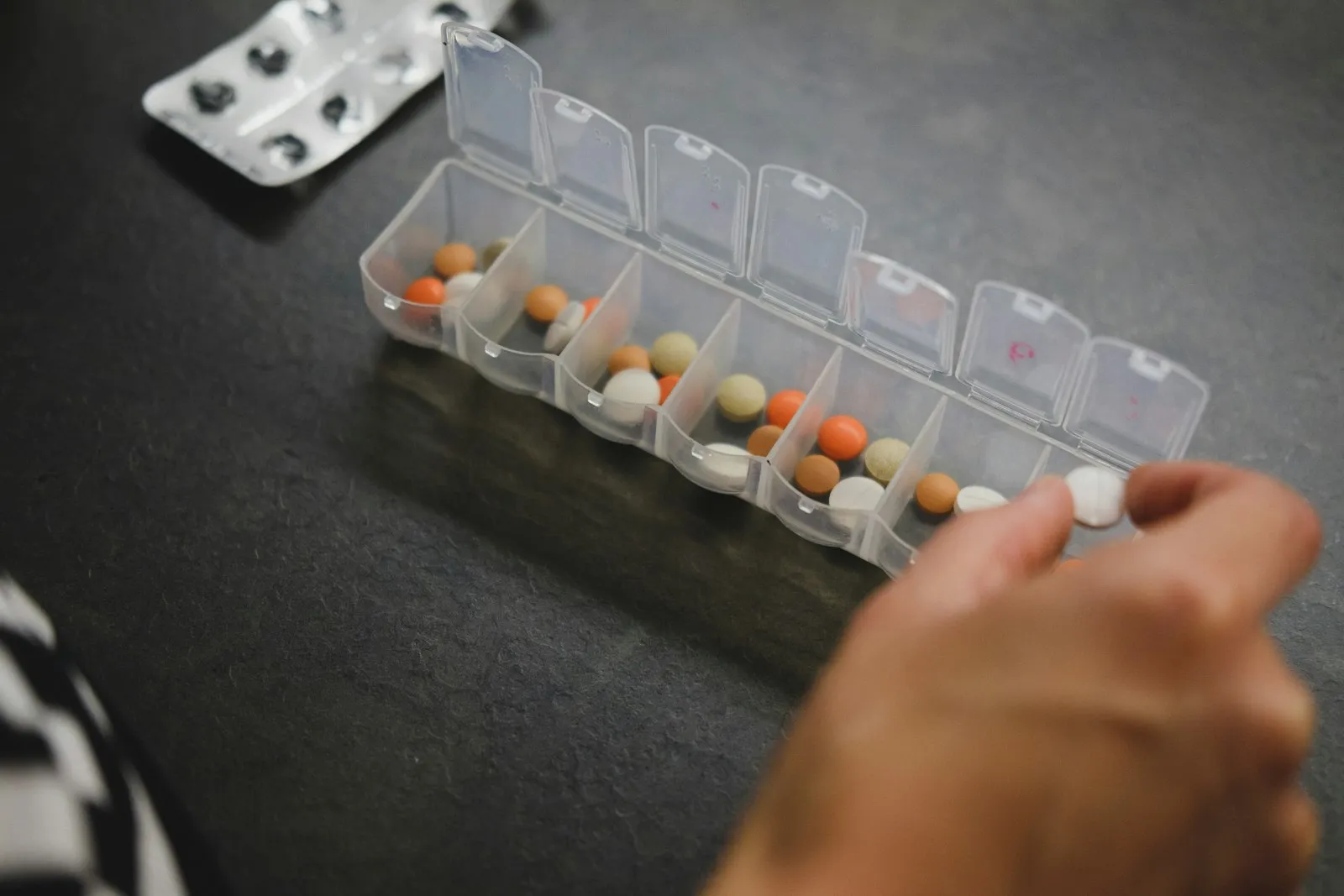
If pills are hard to get down, don’t split or crush them on your own — ask your pharmacist or your care team first. Some medications lose potency or are absorbed at a different rate when split or ground up. It is also worth asking whether you can switch to a form that is easier to swallow, such as a liquid or a skin patch.
Why you shouldn’t leave it alone
As swallowing continues to weaken, food or saliva goes down into the airway more easily, which raises the risk of aspiration pneumoniaPneumonia caused when food or saliva goes down into the airway instead of the esophagus. The risk can rise when swallowing becomes weaker.Learn more. And if swallowing is hard enough that you simply eat less, that can lead to weight loss or poor nutrition — which ties into the weight issues covered in eating and medication timing. Because Parkinson’s is progressive, your ability to swallow can change over time, which is why it matters to act early when you first see the signs and to have it checked regularly.
Sometimes a detailed assessment is needed
If the symptoms are clear, or aspiration is suspected, you can have a detailed test that records the act of swallowing on video. The two standard approaches are filming the swallow with X-ray (a videofluoroscopic swallow study) and watching directly inside your throat with a scope as you swallow (an endoscopic swallowing evaluation). Pinpointing exactly which stage is going wrong lets you and your team set out a much more specific eating plan that fits you.
A speech-language pathologist can help
Dysphagia is a treatable symptom. If you tell your care team, you can be referred to a speech-language pathologist who works on swallowing rehabilitation, and learn specific exercises to strengthen the swallowing muscles along with eating methods suited to you.
This article is not a substitute for medical diagnosis or treatment. If you have trouble swallowing, please talk with your care team.