That levodopa works differently depending on when you eat is not widely known. What you eat, and when, can change how well the medication works.
Levodopa and protein compete for the same route
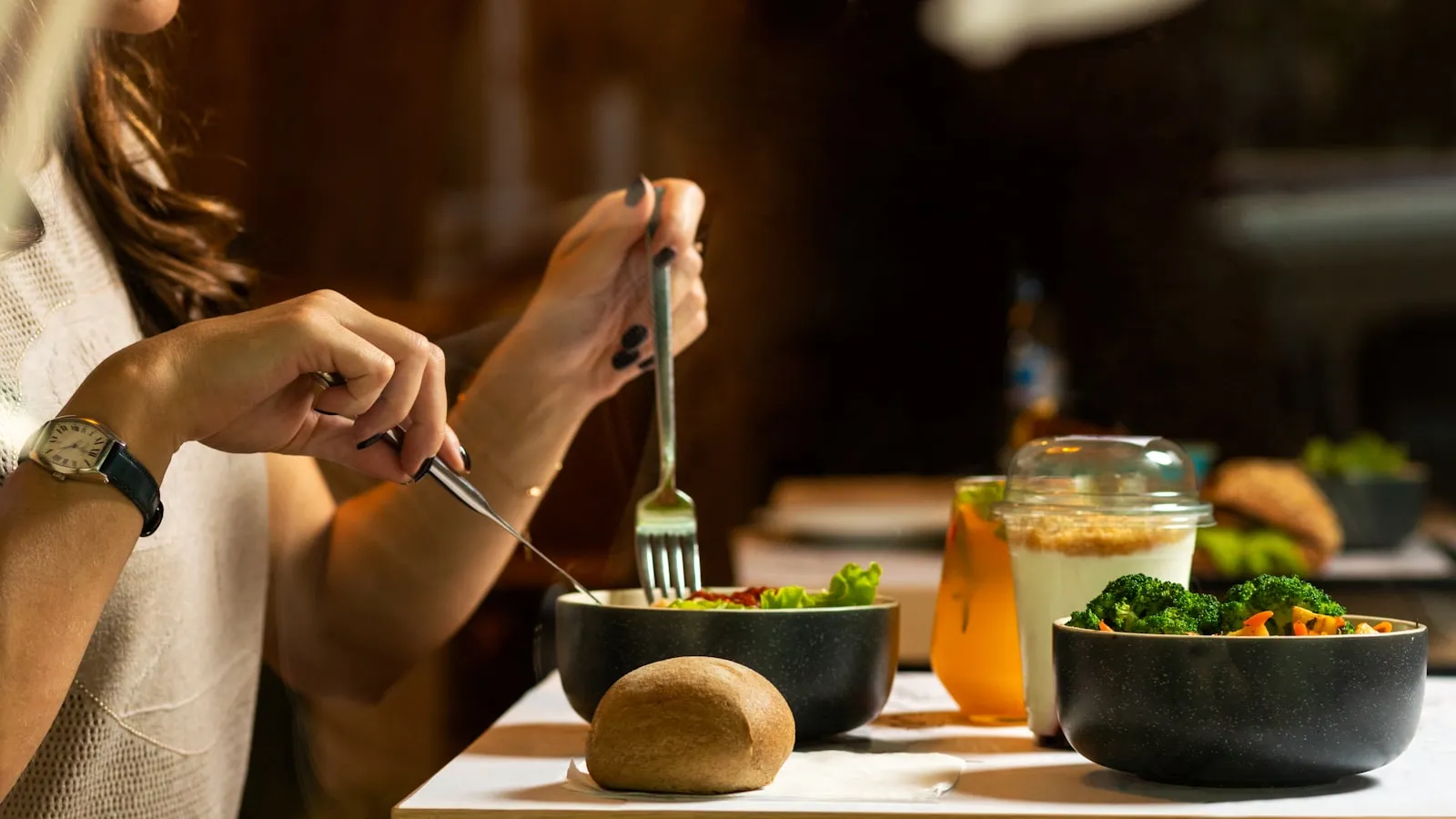
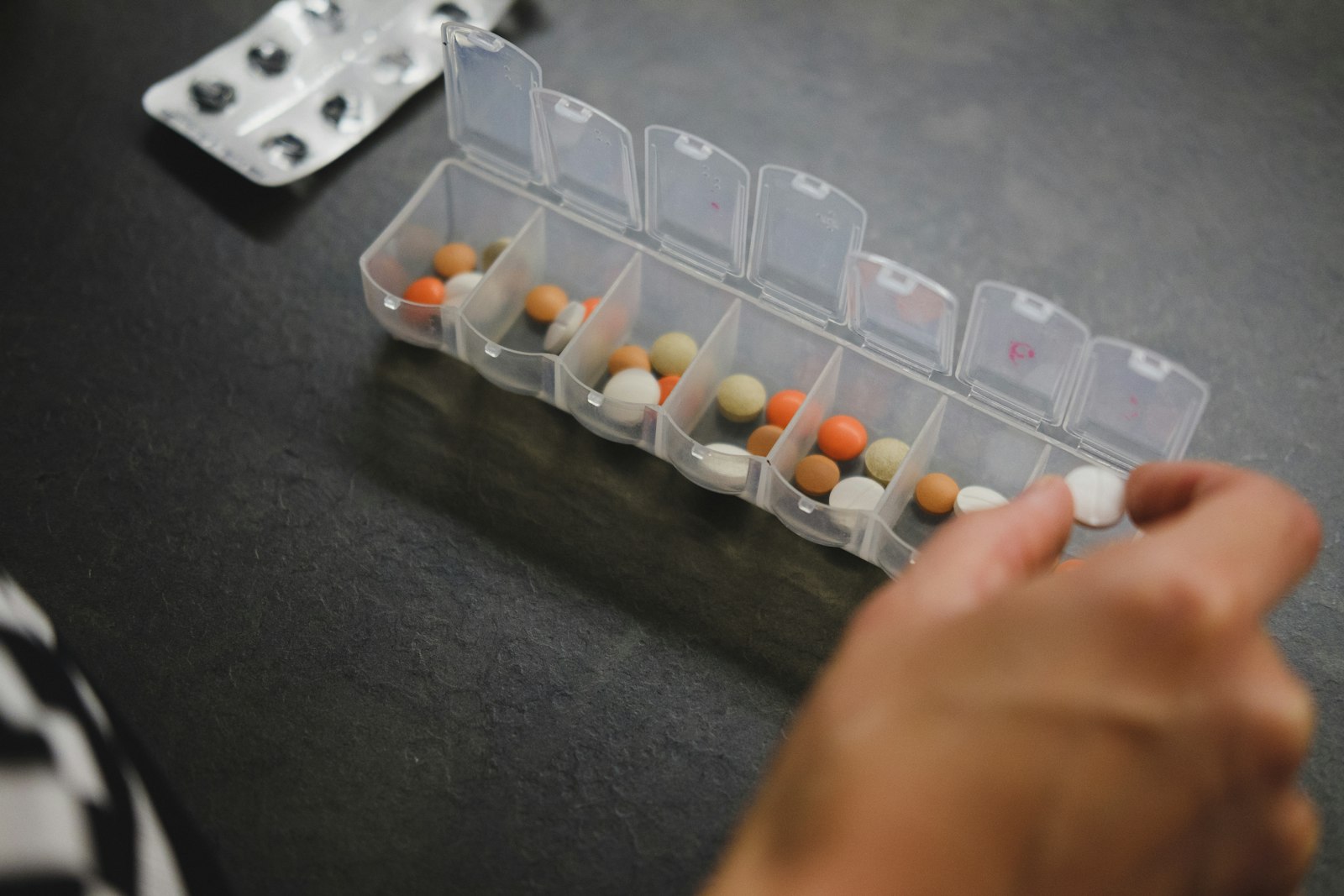
When levodopa is absorbed from the gut and carried into the brain, it uses the same transport route as the amino acids (particularly large neutral amino acids such as phenylalanine, tyrosine and tryptophan) released when protein from meat, fish, eggs and beans is broken down. Right after a high-protein meal, those amino acids take up much of the route, so relatively less levodopa gets through and the effect can be weaker or slower to arrive. That is why levodopa is usually recommended 20 to 30 minutes before a meal, or 1 to 2 hours after one.
What a protein redistribution diet is
For some people, a protein redistribution dietAn eating plan that keeps protein low during the day and shifts most of the day's protein to the evening meal, so it doesn't interfere with levodopa absorption during active hours.Learn more has been studied and found helpful. You eat less protein through the active daytime hours, so the medication works as well as it can, then take in the protein you need for the day at the evening meal. Responses vary from person to person, though, and cutting protein too far can bring on side effects such as weight loss and poor nutrition — so rather than starting it on your own, adjust it together with your care team or a dietitian.
Losing weight is a common problem too
A substantial share of people who adjust their diet are reported to lose weight. BradykinesiaA general slowing of movement. It is the hallmark motor symptom of Parkinson's disease.Learn more making chewing and swallowing take much longer, a dulled sense of smell taking the appetite away, and changes in smell and taste reducing how much you eat at all can all contribute. If your weight keeps dropping, look at your total intake and calories rather than treating protein as the only issue.
Calcium and vitamin D are worth attention
In Parkinson’s, a higher risk of falling and a higher risk of osteoporosis overlap, which makes the same fall more likely to end in a fracture. Moving less and spending less time outdoors — so getting less sunlight — can affect bone health too. It is worth including calcium-rich foods: dairy, fortified soy milk, fish you eat bones and all (sardines, canned fish with the bones in), and almonds. If you need more, talk to your care team about vitamin D supplementation.
What you can do now
Look at your day and rearrange it so levodopa doses and mealtimes don’t collide. If you want to cut back on protein or move it around, make the plan with your care team or a dietitian rather than on your own. If weight changes or bone health are on your mind, those are worth raising at the same appointment.
This article is not a substitute for medical diagnosis or treatment. Always talk to your care team before changing when you take your medication or how you eat.