
At a clinic visit, it can be hard to recall when moving became difficult at home or how long it took a dose to help. This issue looks at a device that records those changes and an assessment of a medicine for people whose levodopa wears off between doses.
WellPD tracks tremor and changes in movement at home
What was announced
On October 28, Empatica announced that orders had opened for WellPD in the US, Canada, the UK, Australia, New Zealand and parts of Europe. South Korea was absent from the list. Its UK product page lists November 23 as the start of shipping. The US FDA issued its 510(k)The US FDA pathway that evaluates substantial equivalence to a legally marketed device.Learn more clearance for the monitoring platform on August 14. Launch announcement · Product page · FDA record
The wrist-worn device measures motion and other signals. The app gives daily summaries of tremor, slowness of movement (bradykinesiaSlowness of movement that can make everyday actions take longer.Learn more), involuntary movements (dyskinesiaInvoluntary movements that can occur during Parkinson’s treatment.Learn more), sleep and activity. Logging dose times alongside these measures gives you something concrete to discuss with your care team about changes before and after medication. The device requires a compatible smartphone and an app subscription. Product details · Subscription information
For people with Parkinson’s
Walking may become easier after a dose and slow again as the next one approaches. Before your visit, note when you took your medicine, when movement became harder and what you were trying to do. These details help describe the daily changes WellPD is designed to track.
For care partners
Record the time and context of changes you see. For example, “An hour before the lunchtime dose, they needed help twice to get out of a chair.” You can share that observation alongside what the person felt.
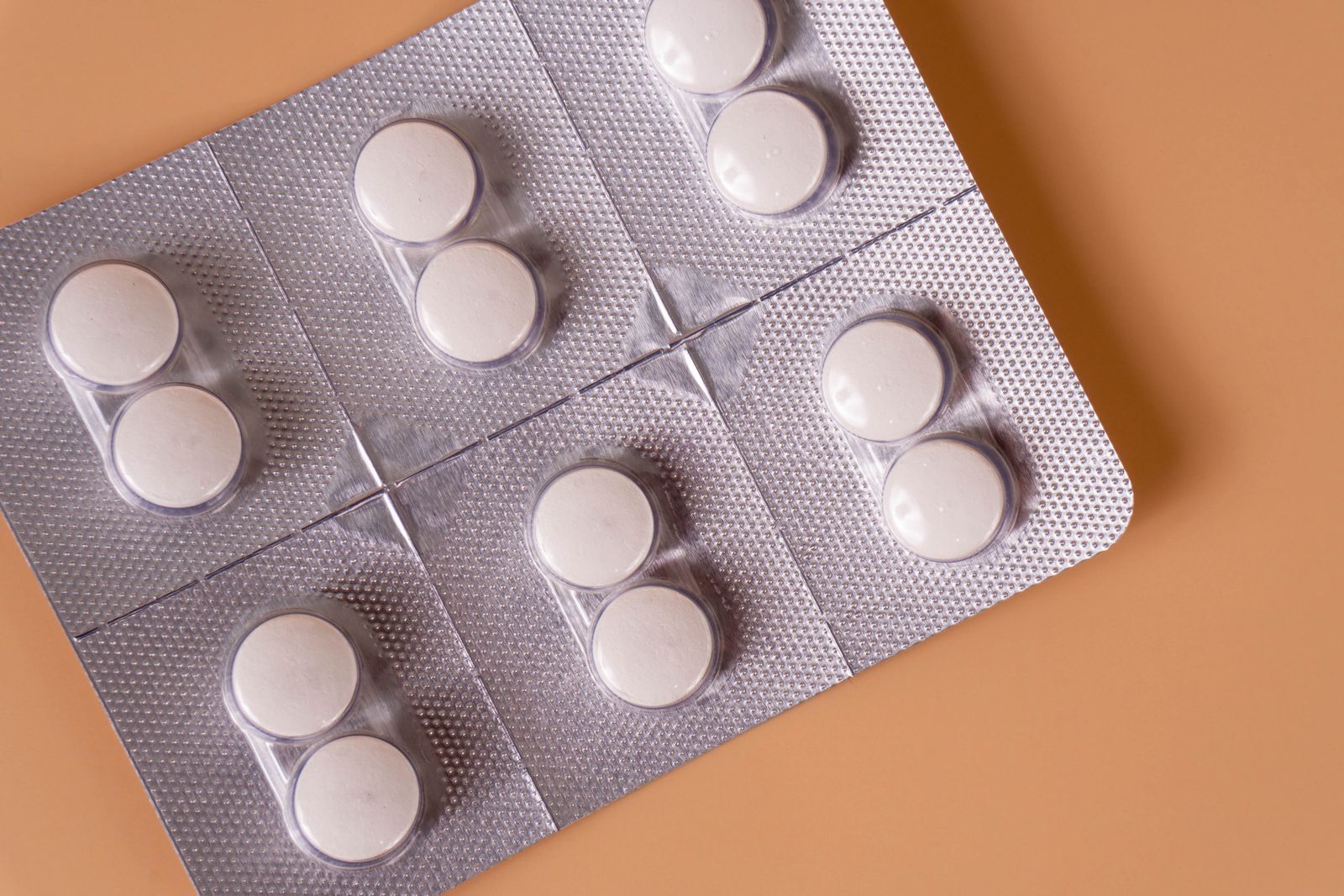
What does tavapadon add, and how does it compare with other medicines?
What the evidence shows
On November 3, the independent US nonprofit ICER published its final assessment of the benefits and costs of tavapadon (Juvmo). It examined what adding the drug might offer people who still have periods of difficult movement as levodopa wears off. ICER final report
The phase 3 TEMPO-3 trial randomly assigned 507 adults to add tavapadon or placeboA comparison treatment without the active ingredient being studied.Learn more while continuing levodopa. At 26 weeks, daily time with easier movement and without troublesome dyskinesia had increased by about 1.7 hours with tavapadon and 0.6 hours with placebo. The difference was about 1.1 hours a day. Common adverse events in the tavapadon group included nausea (14.3%), dyskinesia (10.0%) and dizziness (7.6%). TEMPO-3 trial
ICER’s panel found enough evidence of benefit from adding tavapadon compared with levodopa alone for people with motor fluctuations. The panel found insufficient evidence to judge the benefit compared with adding other established medicines to levodopa. ICER panel findings
For people with Parkinson’s
If you get stiff or find walking harder before the next dose, tell your care team when it happens and which activity is hardest. When discussing an add-on medicine, ask about time with easier movement and how nausea, dizziness or involuntary movements might affect your day.
For care partners
If your family member says a dose worked well, ask what they were able to do during that time, such as eating a meal or going out. Note both the easier periods and any side effects so the care team can understand what matters most to them.
One note to bring to your next visit
For one day, write down when your hardest activity got easier relative to the timing of your medicine. Bring that note to your next visit as a starting point for discussing symptom patterns and medication.
ParkinON explains published product information, trial results and a comparative assessment in plain language. Discuss medication changes with your care team.