
For people waiting for advances in Parkinson’s treatment, hearing that a new drug exists is not enough. What matters is understanding what it aims to change and what has actually been demonstrated.
This issue brings two developments taking different paths: an oral drug designed to reduce a protein involved in disease processes, and a treatment that adjusts electrical stimulation according to signals from the brain.
An oral drug that reduces a target protein shows new clues in people
🔍 What the research found
Medicines used for Parkinson’s play an important role in supporting movement by compensating for reduced dopamineA brain chemical involved in movement. Improving symptoms is different from slowing disease progression.Learn more activity. But better symptoms and slower disease progression are different outcomes. Researchers are looking for treatments that act on disease processes as well as treatments that manage symptoms.
One candidate is ARV-102. It targets a protein called LRRK2A protein involved in cellular processes, including handling materials within cells. The gene with the same name produces it. Abnormal activity can be linked to Parkinson's, but it is not the sole cause in every person.Learn more. Changes in its activity can be associated with Parkinson’s. This does not mean that every person’s disease is caused by this one protein.
ARV-102 is designed not just to block protein activity, but to use cells’ existing protein-disposal machinery to break down the target proteinAn approach that recruits cellular disposal machinery to break down a selected protein. This differs from blocking its activity; clinical benefit still requires separate testing.Learn more. Key early questions are whether the drug reaches the brain and acts there, and what changes accompany that action.
The reported study included 24 people with Parkinson’s. Participants received ARV-102 or an inactive comparison treatment, a placeboA comparison treatment without the investigational drug's active ingredient.Learn more, for 28 days. This was a Phase 1 trialAn early trial stage examining safety, dose and how a drug acts in the body. It does not establish clinical effectiveness.Learn more examining safety and drug action, not a trial establishing treatment effectiveness.
The newly released findings included changes in eye movements. When shifting our gaze, our eyes jump rapidly toward a target. Sometimes that movement stops short. Researchers measured these movementsRapid eye movements toward a visual target. How far they fall short can be measured as an exploratory research indicator.Learn more and observed a shift toward larger movements in the ARV-102 groups compared with placebo.
They also analyzed cerebrospinal fluidThe fluid surrounding the brain and spinal cord. Proteins within it can help researchers investigate drug action.Learn more, which surrounds the brain and spinal cord, to examine associations between reduced LRRK2 and changes in eye movement. Changes were reported in measurements related to intracellular material processing, neuroinflammation and connections between nerve cells. Such measurements are called biomarkersA measurable indicator of biological activity or drug action. A change does not by itself establish symptom improvement or slower progression.Learn more: clues about what a drug is doing inside the body.
However, changed biomarkers do not by themselves show that daily life improved or that Parkinson’s progressed more slowly. The study was small and short. The researchers explicitly stated that it was not designed to assess clinical efficacy. Larger, longer studies must establish whether these observations translate into meaningful benefits.
✅ For people with Parkinson’s
The encouraging part is that a different approach to disease processes is being studied in people with Parkinson’s. Research has moved beyond laboratory possibilities to testing whether the intended action occurs in the human body.
ARV-102 remains investigational. It is not a replacement for your prescribed medicines. Changes in eye movements should not be interpreted as proof of better walking, dressing, eating or other everyday activities.
When following future reports, look beyond “the protein decreased.” Ask whether symptoms or everyday functioning improved, and how long any improvement lasted.
🙋 For care partners
Distinguish “targets disease progression” from “slowed disease progression.” The first describes a research goal; the second requires adequate clinical evidence.
This announcement is not a reason to rush into genetic testing or change a treatment plan. If discussing it at an appointment, useful questions include: “Who will be eligible for the next study?” and “Will future trials measure symptoms or the rate of progression?” Focus on what will be tested next.
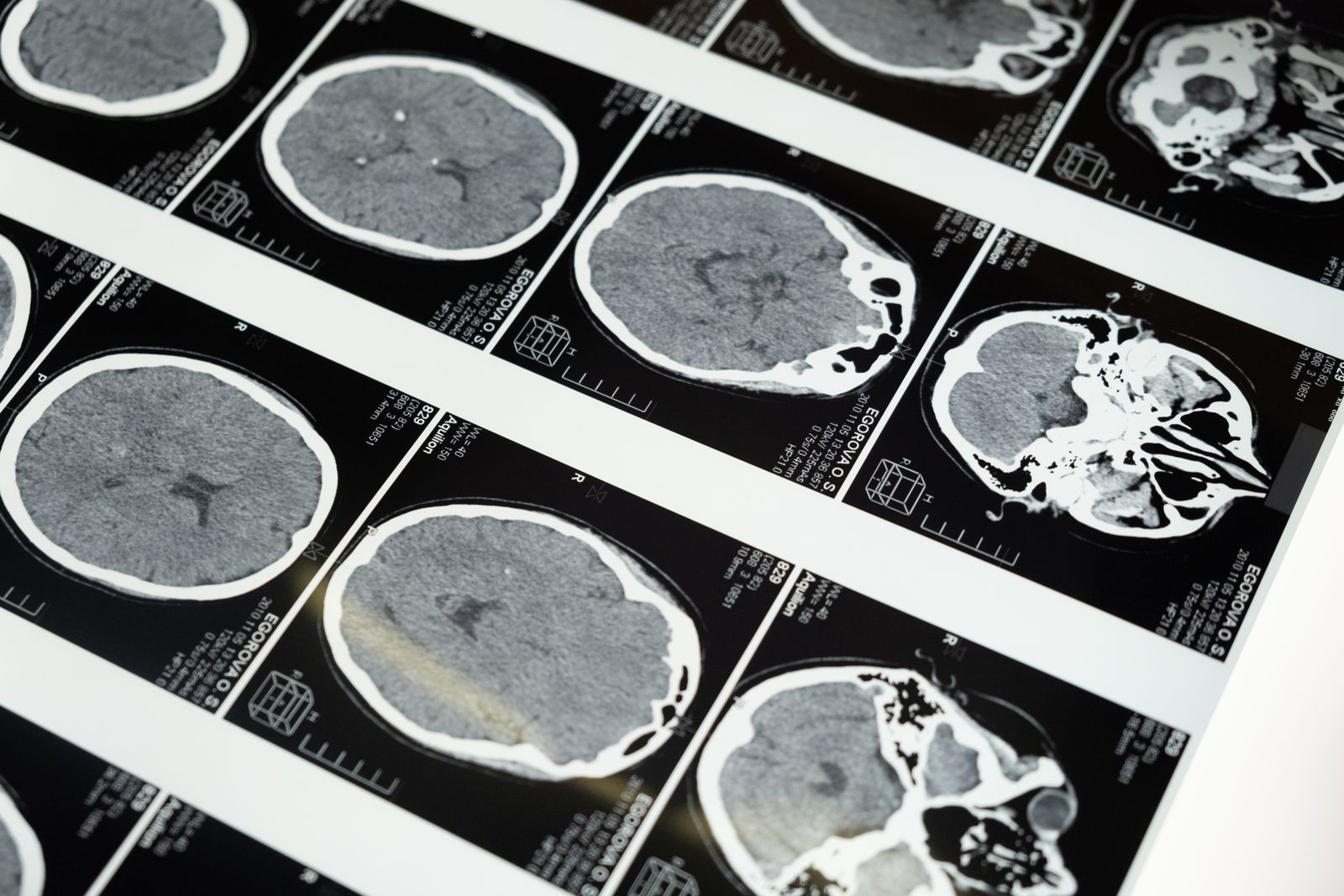
Brain-signal-guided stimulation begins a comparison study planning 104 participants
🔍 What the research found
For some people whose symptoms are difficult to control adequately with medication, deep brain stimulation (DBS)A treatment that delivers electrical stimulation through electrodes placed in specific brain regions. It is not suitable for everyone and does not cure Parkinson's.Learn more can be an option. Electrodes in specific brain regions deliver electrical stimulation to help manage symptoms.
With conventional DBS, clinicians set stimulation intensity and other parameters, then adjust them at follow-up visits when needed. Adaptive DBSStimulation adjusted using recorded brain signals, within limits programmed by clinicians. It does not replace clinical settings or follow-up care.Learn more instead uses measured brain signals to adjust stimulation within clinician-set limits. The aim is to match stimulation more closely to the brain’s state—not to make medical care unnecessary.
Newronika’s AlphaDBS is a device being studied for this approach. The company recently announced that the first ADVENT participant received an implant. The study plans to recruit 104 people with Parkinson’s, across multiple centers in the United States and Europe.
Participants are adults assessed as needing bilateral DBS in a particular brain region. Each person will experience both conventional and adaptive stimulation, with the order randomized. This is a crossover studyA study in which the same person receives both treatments in sequence. Randomizing the order helps reduce the influence of differences between participants.Learn more, designed to compare approaches while reducing the influence of person-to-person differences in symptoms and treatment response.
Participants and evaluators will not know which mode is being used, through a procedure called blindingA research procedure that keeps participants or assessors unaware of the treatment being used, to reduce expectation-related bias.Learn more. This helps limit the influence of expectations about a new device on assessments.
The study will examine time spent moving comfortably without troublesome excessive movements, motor symptoms and quality of life. Important follow-up comparisons between the two stimulation modes include assessments at approximately 6 months.
Crucially, this announcement marks the start of the research, not comparative results. How much adaptive stimulation helps beyond conventional stimulation, and for whom, remains to be established.
In the United States, permission to use the investigational device in this trial is different from approval for general marketing. AlphaDBS has a CE markA mark indicating conformity with applicable regulatory requirements in the European Economic Area. It does not establish comparative superiority or approval elsewhere.Learn more in the European Economic Area, but this announcement does not establish availability or approval in your own country.
✅ For people with Parkinson’s
The question is not “Is stronger stimulation better?” It is “Can stimulation matched to need help make the day more comfortable?” The study matters because it seeks to tailor treatment more closely to the person’s state.
DBS is not necessary or suitable for everyone, and it does not cure Parkinson’s or stop its progression. News about a device and an assessment of whether surgery suits you are separate matters.
If medication benefit wears off sooner or symptom changes make daily life difficult, discuss possible adjustments to your current treatment with your clinician. If you already have DBS, this announcement alone is not a reason to replace your device.
🙋 For care partners
What helps at an appointment is when and how things changed, not only whether the day felt good or bad. Briefly note medicine times, periods of comfortable movement, stiffness or difficulty moving, and unwanted movements.
For someone using DBS, describe symptom changes and differences before and after stimulation adjustments. Discuss settings with the clinical team using these records, rather than changing the device independently.
In future reports, look beyond technical specifications. Check whether comfortable movement time increased, discomfort decreased and quality of life improved.
What you can do now
These developments show that Parkinson’s treatment is advancing along more than one path. Researchers are targeting proteins involved in disease processes while also trying to make established treatments better matched to people’s changing needs.
Welcome new possibilities, but base treatment decisions on established evidence and your clinician’s assessment. In future announcements, we will look for benefits in everyday life from the drug and more comfortable movement time from changes in stimulation.
This article explains research news and does not replace individual diagnosis or treatment. Discuss research participation and treatment changes with your clinical team.